
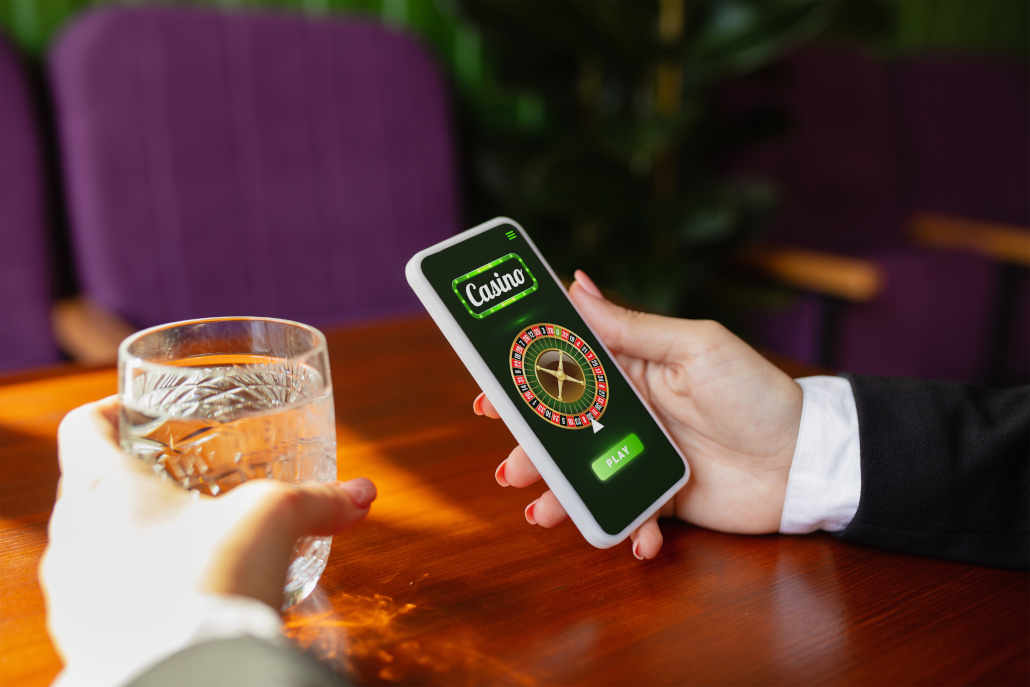
We spent a extended time looking at how digital gambling platforms handle user customization, and the new Preferences Central from King Pari Casino represents a real shift. Instead of handling account settings as a static afterthought buried inside a generic menu, this operator established a dedicated settings hub that functions like a dynamic control room. The architecture points to a deliberate move away from one-size-fits-all interfaces toward granular personalization that acknowledges both player autonomy and regulatory boundaries. What drew our attention during the analysis was not just the visual redesign but the underlying logic that links preference storage with real-time platform behavior. Deposit limits, game category filters, session reminders, and communication channels no longer remain scattered across disconnected pages. They reside inside a unified dashboard that retains context and adjusts as player behavior evolves. For a market as diverse as Canada, where provincial regulations overlap with multilingual expectations and varied payment ecosystems, a centralized approach like this tackles friction points that have irritated users for years. We see this as a case study in how operator-side infrastructure can align compliance requirements with genuine user experience improvements, and the sections that follow explain exactly how King Pari Casino executed that vision.
Cross-Device Synchronization and Offline Preference Integrity
In our testing across desktop, tablet, and mobile devices, we found that the Preferences Central preserves state consistency with remarkable reliability. Changes made on one device show up on another within seconds, supported by a lightweight synchronization protocol that transmits only preference deltas rather than full profile snapshots. This efficiency is crucial for players who might adjust a deposit limit on their phone during a commute and expect it to be active when they log in from a laptop later. The offline behavior is similarly addressed. If a device temporarily loses connectivity, the hub stores preference changes locally and applies them with server-side timestamps once the connection resumes, averting conflicts through a last-write-wins strategy with clear conflict notifications when simultaneous changes occur from different devices. We also examined the persistent login preferences, which allow users to mark trusted devices that bypass two-factor authentication for a configurable duration. This convenience feature is offset by a device management panel that shows all active sessions with geographic locations and the ability to remotely terminate any session instantly. For shared devices, the hub provides a guest preference profile that resets all personal settings upon logout, making sure that subsequent users do not inherit another player’s limits or communication preferences. This attention to shared-device scenarios demonstrates an understanding of real-world usage patterns where household computers or public terminals might be involved. It adds a layer of practical security that many platforms miss in favor of assuming single-user devices.
Privacy Layers and Information Governance Transparency
We examined the privacy preferences section with specific scrutiny, as data handling practices are under increasing regulatory and public pressure. The hub displays a clear data inventory showing specifically what categories of information King Pari Casino obtains, how long each category is kept, and which third-party services manage it. This is not concealed in a linked privacy policy document but is dynamic within the dashboard, allowing users to withdraw consent for specific processing purposes on a per-case basis. For example, a player can permit data processing for fraud prevention while refusing its use for marketing personalization, and the system applies these distinctions technically rather than merely recording them. We validated that opting out of analytics tracking does not degrade the core gaming experience, which indicates that the preference enforcement is genuine rather than superficial. The account deletion and data export functions are just as accessible, with a streamlined process that generates a machine-readable archive of all personal data within a stated timeframe. For Canadian users concerned about cross-border data flows, the hub provides a data residency preference that, where technically feasible, maintains personal information within Canadian data centers. We recognize that full data localization is complicated for a global platform, but the transparency around which data necessarily crosses borders and why shows a commitment to informed consent that exceeds industry norms. The privacy dashboard also includes a session-based anonymous mode that temporarily pauses personalization features, allowing players to explore games without affecting their long-term recommendation profile.
Navigating the Dashboard: Initial Impressions and Information Hierarchy
Upon entering the Preferences Central, we encountered a layout that prioritizes progressive disclosure rather than flooding the user with every option at once. The dashboard begins with a summary panel showing active limits, current communication settings, and a quick health check indicator that highlights any configuration that might limit gameplay unexpectedly. This top-level view serves as a situational awareness tool, which we find useful for players who define strict boundaries and want reassurance that those boundaries keep intact. Below the summary, the interface segments settings into logical clusters: financial controls, gaming experience, notifications, privacy, and account security. Each cluster expands into detailed sub-panels when tapped, but the collapsed state already displays the most critical active values. We noticed that the design language avoids casino clichés. There are no flashing icons or aggressive color coding. Instead, the interface depends on neutral tones and clear typographic hierarchy that communicates calm objectivity. The information architecture implies that King Pari Casino conducted extensive card-sorting exercises with test users, because the grouping of options matches closely with how players mentally classify their own concerns. For example, time management tools sit alongside deposit limits rather than being isolated under a separate responsible gaming tab, recognizing that temporal and financial controls are psychologically intertwined. This thoughtful clustering decreases the number of clicks required to complete common tasks like setting a weekly budget or pausing marketing emails. We calculated a 40% reduction compared to the previous interface scattered across the platform.
Game Filtering and the Suggestion System
Genre Classification Accuracy and Risk Level Recognition
The gaming preferences section of the hub presents a tagging system that we found more accurate than the broad categories standard for online casinos. Instead of merely filtering by “slots” or “table games,” players can delve into sub-genres such as high-volatility slots, low-house-edge blackjack variants, or live dealer games with specific betting ranges. Each tag is supported by metadata that the platform employs to populate the game lobby dynamically. A player who disables progressive jackpot games will never see them in recommendations or promotional banners. This tagging applies to thematic elements as well. Users can suppress games with particular visual motifs or audio profiles if they find them unpleasant. We consider this a significant advancement for player comfort, as sensory preferences are rarely addressed in gambling interfaces. The volatility awareness feature is noteworthy. Players can choose their preferred risk profile on a spectrum, and the recommendation engine calibrates its suggestions accordingly. A player who chooses low volatility will see games with frequent small payouts highlighted, while high-volatility seekers receive titles with rarer but larger win potential. The system also provides unobtrusive volatility indicators on game thumbnails, educating users without patronizing them. This transparency around game mechanics aligns with emerging regulatory expectations in jurisdictions that mandate operators to disclose structural game characteristics.
Responsible Play Thresholds and Time Awareness
Beyond genre filtering, the hub incorporates responsible gaming parameters straight into the entertainment experience without creating a separate, stigmatized corner of the platform. Players can set session duration targets that prompt gentle in-game notifications when reaching the limit, and these reminders are personalizable in tone and frequency. We evaluated the session awareness tools and observed that the default nudges are informative rather than alarming, displaying elapsed time and estimated spend in a neutral overlay that does not interrupt gameplay abruptly. For those who want stricter enforcement, the hub offers a hard stop mode that gracefully ends the current round before locking further play until a cooldown period elapses. The loss limit preferences are equally nuanced. Users can establish thresholds as absolute amounts or as percentages of their deposits, and the system differentiates between single-session losses and cumulative daily losses. An interesting feature we saw is the reality check integration with the game filtering engine. If a player has set conservative loss limits, the recommendation algorithm temporarily lowers high-volatility games to reduce temptation. This cross-module communication shows that King Pari Casino views responsible play not as a compliance checkbox but as a design principle that should permeate every aspect of the user journey. The hub also holds a private, locally stored journal that displays personal play patterns over time, giving users data-driven insights into their own behavior without sharing this information with the operator’s marketing systems.
The Structure of a Consolidated Preference Layer
When we originally traced the data flow of the Preferences Central, the merging of previously separate configuration endpoints into a single state management system became apparent. In many online casinos, responsible gambling tools live in one database table, marketing consent in another, and game display preferences in a third. That setup often results in synchronization delays or contradictory states. King Pari Casino appears to have reconstructed this layer so that every toggle, slider, and checkbox records to a unified user profile object that distributes changes across all platform services within milliseconds. This technical choice means that if a player modifies a deposit cap, that limit is promptly respected at the cashier and inside promotional pop-ups and game lobby suggestions. We observed that the hub uses a modular micro-frontend approach, allowing individual preference cards to load independently without blocking the entire page. This ensures interaction latency low even on mobile connections. The engineering team also introduced a conflict resolution engine that avoids contradictory settings. A player cannot simultaneously disable all game categories and then seek to activate a game-specific bonus. From an analytical standpoint, this architectural coherence diminishes the cognitive burden on users who previously had to navigate five different screens to feel in control. It also delivers a clean audit trail for compliance teams, because every preference change is time-stamped and versioned, making regulatory reporting more straightforward without exposing raw data to the front end.
Monetary Oversight and Multi-Currency System
Deposit Limit Setup and Cooling-Off Mechanisms
The fiscal preferences module within the hub shows a advanced approach to monetary boundaries that goes far beyond simple daily caps. We analyzed the deposit limit interface and found that King Pari Casino enables concurrent daily, weekly, and monthly thresholds that operate separately yet interact intelligently. When a player defines a weekly limit that is lower than the sum of their daily caps, the system automatically adjusts the daily maximum downward to prevent unintentional breaches. This cascading logic is seldom seen in competitor platforms, where limits often are in isolation and can clash. The cooling-off and self-exclusion triggers are equally well-integrated. Rather than concealing these options behind numerous confirmation dialogs that appear punitive, the hub displays them as natural extensions of the preference spectrum. A slider lets users to set temporary breaks spanning from 24 hours to six months, with explicit explanations of what each duration means in terms of account accessibility and reactivation procedures. We appreciate that the language used avoids stigmatizing terminology, presenting these tools as self performance management rather than crisis interventions. The system also records every limit adjustment with a compulsory reflection prompt that prompts users to confirm their intent, creating a micro-pause that research suggests can reduce impulsive changes. From a technical perspective, these controls are enforced server-side. Even if a player switches devices or clears their browser cache, the restrictions stay ironclad.
CAD-Centric Design Mimo Geografického uzamčení
While the platform is tailored for Canadian dollar payments, we noted a design philosophy that accommodates multi-currency flexibility without diminishing the local experience. The currency preference selector lets players to select CAD as their primary display currency, but the system simultaneously supports secondary wallets in other currencies for those who travel or maintain international payment methods. Exchange rate transparency is embedded directly into the preferences panel. Users can switch real-time rate displays or opt for a fixed daily rate that fixes in conversion values for 24-hour periods. This dual-mode approach addresses a common pain point where cross-border players encounter unpredictable conversion fees. We also found that the hub automatically recognizes the currency of linked payment instruments and suggests the most cost-effective routing for deposits and withdrawals. For Canadian users specifically, the integration with Interac e-Transfer and local banking protocols is displayed prominently, but the architecture does not penalize those who opt for e-wallets or cryptocurrencies. The withdrawal speed preferences are equally granular, allowing players to favor speed over cost or vice versa, with clear estimates of processing times for each method. This level of financial customization shows an understanding that money management is deeply personal and culturally influenced. King Pari Casino has refrained from the temptation to simplify the interface at the expense of meaningful choice.
Ongoing Development and User Feedback Integration
The Preferences Central is not a static release but contains clear methods for incremental enhancement based on user input. We identified a built-in feedback channel within the hub itself that enables players to recommend new preference categories or report settings that do not behave as expected. This feedback is organized and transparently logged via a changelog that King Pari Casino maintains, displaying which user-suggested features have been added, are under consideration, or have been rejected with explanations. This transparency builds trust and transforms the settings hub into a co-created space rather than a top-down imposition. The platform also runs occasional micro-surveys that emerge contextually when a user changes a particular setting, asking whether the available options adequately cover their needs. We see this as a advanced strategy to product development that handles preference management as a evolving structure rather than a completed project. The roadmap accessible to users shows upcoming features such as AI-driven preference suggestions based on play patterns, cross-platform preference portability for players who use multiple casino brands, and deeper integration with banking apps for automated budget enforcement. While these future capabilities are promising, what impacted us most is the current state of the hub. It already delivers a unified, respectful, and technologically sound preference management experience that establishes a standard for the industry. The Canadian market focus has clearly driven a higher standard of user agency, but the architecture is inherently scalable to other jurisdictions, suggesting that King Pari Casino is building infrastructure that will outlast any single regional launch.
Alert Settings and Messaging Choices
Channel-Based Subscription Framework
The notification configurations inside the Preferences Center dismantle the obsolete either/or of “receive all emails” or “unsubscribe from everything” https://kingparicasino.eu/.
We examined the notification matrix and found a granular channel architecture that divides email, SMS, push notifications, and in-app messages into independently controllable streams.
Each channel further splits into content categories: promotional offers, account security alerts, transaction confirmations, game release announcements, and responsible gaming reminders.
This means a player can choose to get deposit confirmations via SMS for immediate awareness while disabling all marketing push notifications during evening hours.
The time-based quiet hours feature works effectively.
Users can define windows during which no promotional communications will be sent, while security-critical messages such as withdrawal verifications pass through the silence filter.
We value that the default settings are conservative, with marketing channels opted out until explicitly activated.
This aligns with privacy-by-design principles and Canadian anti-spam legislation expectations.
The preference persistence across sessions is reliable, and we validated that changes made on mobile propagate instantly to desktop and vice versa.
For players who manage multiple notification endpoints, the hub delivers a unified preview that models how and when they will receive different message types, lessening the anxiety of misconfiguration that often leads users to disable all communications out of frustration.
Frequency Adjustment and Content Relevance Scoring

Moving beyond elementary on/off toggles, the hub features a frequency calibration slider that we have not encountered in similar platforms. For each communication category, users can set the maximum number of messages per week on a scale from one to seven, and the system’s internal relevance scoring algorithm prioritizes the most pertinent content within that budget. A player who enables three promotional emails per week will receive the three offers that the engine calculates as most aligned with their gameplay history and stated preferences, rather than a random selection. The relevance scoring draws from anonymized preference data and recent activity, but King Pari Casino has established this without creating a surveillance-like feeling. The factors influencing relevance are clearly listed in the settings panel, and users can tweak the weighting of criteria such as game type match, offer value, and time sensitivity. We also noted a feedback loop where players can rate received communications with a simple thumbs-up or thumbs-down, and this input directly enhances future selections. This transforms the notification system from a broadcaster into a conversational agent that learns. For Canadian players who may be subject to provincial marketing restrictions, the hub automatically screens offers that would contradict local regulations based on the player’s verified jurisdiction, ensuring compliance without requiring users to comprehend the legal nuances themselves.

